

In a world where sexualization of women is common, anger at this mistreatment reached a high point in the last year with an increasing number of people joining the #MeToo campaign.
The #MeToo campaign united victims of sexual assault and gave people the courage to speak out about their experiences, creating a supportive platform for encouragement and change.

Although it is heartening that the #MeToo movement, which encourages victims of sexual assault or harassment to come forward, has taken hold, it is disappointing that when women speak up they are met with skepticism and victim blaming. As monumental and powerful as the movement is, especially in helping victims to feel comfortable about telling their stories, the public who will be listening isn’t ready.
A disturbing trend in many cases of domestic abuse, sexual assault, and rape against women is the tendency to blame the victim of the crime, rather than the perpetrator.
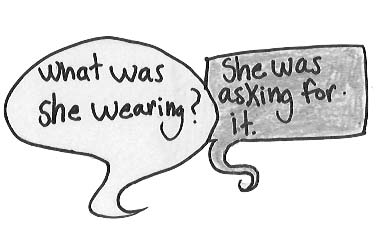
Within this culture of victim blaming, women are told to change their own behavior in order to avoid being assaulted or raped. Women are told repeatedly to dress less provocatively, drink less alcohol, and not put themselves in risky situations. This proliferates the belief that women are at fault when they are attacked, and leads to a lack of accountability for men. Recently though, there has been a push to increase rape and assault prevention education for men.

I would like to take this opportunity to talk about a program of Action Aid Organization called “Safe Cities for Women”. This organization states that:
“Right now, in every city, in every country, women can’t go to work or university, use the bus — simply live their lives — without the threat of sexual attack. Often they’re even blamed for being attacked or harassed. And it’s much worse for women living in poverty, who don’t have the means to find safe living conditions, bring their attackers to justice, or simply access refuges and hospitals safely. Women have their right to come and go in their cities violated.”
This program also encourages people to reach out to their government, local authorities, and public service providers to promote safe cities for women.
While it’s important that women continue to be empowered and educated on how to prevent rape, this education needs to be extended to men as well. Men and women need to work together to change the culture of victim blaming, and help reduce violence against women.

People should not blame victims for the things that happen to them. Every crime is the perpetrator’s fault, not the victim.
Instead of projecting fears onto victims of crime, we need to strengthen and enforce the law against rapists and criminals so that everyone can be safe, and we can bring justice to those who need it.
 Advocacy Blog